

How to choose stitching style for your body?
Ibomma News Pro >> Lifestyle & Fashion>> How to choose stitching style for your body?How to choose stitching style for your body?
Pakistani dresses are loved for their elegance, variety, and cultural richness. From casual lawn suits to formal embroidered outfits, the way a dress is stitched plays a huge role in how it looks on your body. 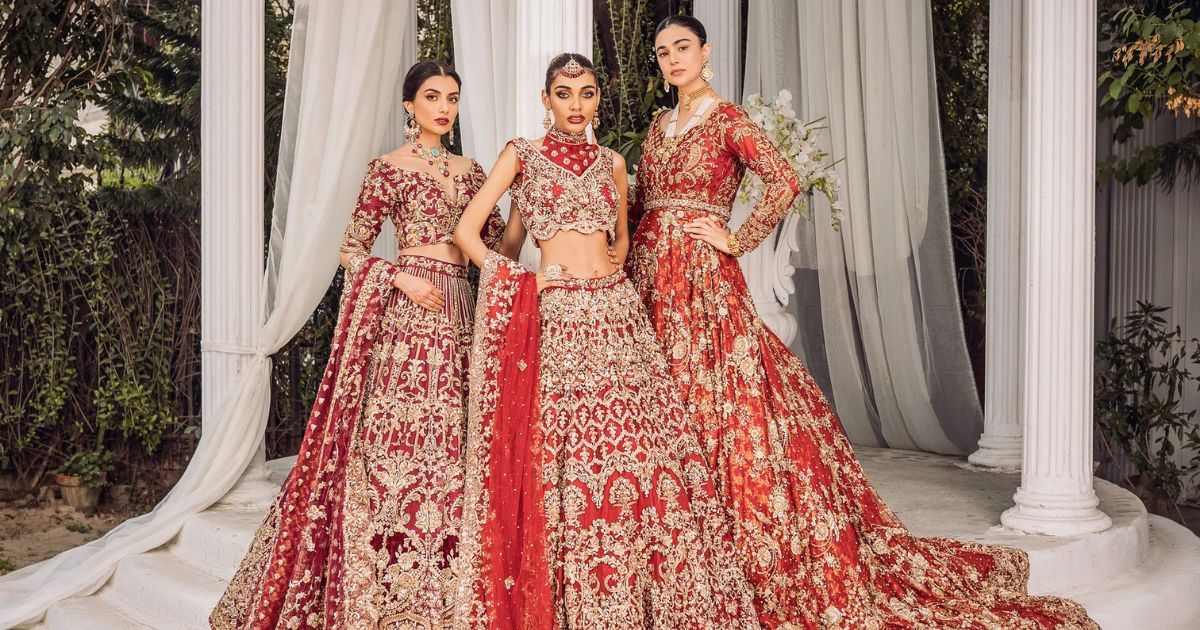 Many people focus only on fabric and color, but stitching style is what truly defines the final appearance. The right stitching can enhance your best features, balance your proportions, and make you feel confident. On the other hand, the wrong stitching style can make even the most expensive pakistani dresses look unflattering.
This complete guide will help you understand how to choose the right stitching style for your body shape. It is written in simple language, easy to read, and suitable for a 12th-grade audience. Whether you prefer traditional pakistani dresses or modern fusion looks, this guide will help you make smarter styling choices.
Why Stitching Style Matters More Than You Think
Stitching is not just about joining fabric pieces together. It is about shaping the outfit according to the human body. In pakistani dresses, stitching decides how loose or fitted the dress will be, how long it appears, and how it moves when you walk.
A well-stitched dress can make you look taller, slimmer, or more balanced. Poor stitching can add unnecessary bulk or hide your natural shape. That is why choosing the right stitching style is just as important as choosing fabric or design in pakistani dresses.
Understanding Your Body Shape First
Before selecting any stitching style, you must understand your body shape. Every body is unique, but most people fall into a few common categories. Knowing your body type makes it easier to choose suitable pakistani dresses.
Hourglass Body Shape
An hourglass body has a balanced bust and hips with a clearly defined waist. This shape is naturally proportioned.
For this body type, stitched pakistani dresses that highlight the waist look best. Fitted kameez, panelled shirts, and belted styles work beautifully. Avoid overly loose stitching that hides your waist.
Pear-Shaped Body
Pear-shaped bodies have wider hips and thighs with a narrower upper body.
For this shape, pakistani dresses should be stitched to balance the upper and lower body. A-line shirts, flared hems, and slightly fitted tops help draw attention upward. Heavy stitching around hips should be avoided.
Apple-Shaped Body
Apple-shaped bodies carry more weight around the midsection with slimmer legs and arms.
The best stitching style for pakistani dresses here is loose and flowing around the waist. Empire cuts, straight shirts, and long panels help create a smooth look. Avoid tight stitching around the stomach area.
Rectangle Body Shape
This shape has similar measurements for bust, waist, and hips.
To add curves, pakistani dresses with layered stitching, pleats, and belts work well. Peplum tops and flared bottoms can also create the illusion of curves.
Petite Body Shape
Petite bodies are smaller in height and frame.
For petite figures, pakistani dresses should be stitched in a way that adds height. Short shirts, straight trousers, and vertical panels help elongate the body. Very long or overly flared stitching can overpower the frame.
Choosing Stitching Style for Different Pakistani Dress Types
Different types of pakistani dresses require different stitching techniques. Let’s explore them one by one.
Kameez Stitching Styles
The kameez is the most common part of pakistani dresses. Its stitching can completely change the look.
Straight Cut Kameez
Straight cut kameez suits most body types. It creates a clean and elegant look.
This style is ideal for apple and rectangle body shapes. It does not cling to the body and offers comfort. Many everyday pakistani dresses use this stitching style.
A-Line Kameez
A-line kameez is fitted at the top and flares at the bottom.
This style is perfect for pear-shaped and apple-shaped bodies. It hides wide hips and adds flow. A-line stitching is very popular in semi-formal pakistani dresses.
Panelled Kameez
Panelled stitching adds structure and flow at the same time.
This style works well for hourglass and rectangular shapes. It adds movement and looks graceful, especially in formal pakistani dresses.
Trouser Stitching Styles
Trousers are an important part of pakistani dresses, and their stitching should match your body type.
Straight Pants
Straight pants are timeless and flattering.
They suit almost all body shapes and pair well with long shirts. Many women prefer straight pants in stitched pakistani dresses for a neat look.
Cigarette Pants
Cigarette pants are narrow and fitted.
They look best on tall and slim body types. If stitched properly, they can make pakistani dresses look modern and stylish.
Palazzo Pants
Palazzos are wide and flowy.
They are perfect for pear-shaped bodies as they balance the hips. Light fabrics and proper stitching make palazzos comfortable in pakistani dresses.
Dupatta Draping and Stitching Influence
While dupattas are not stitched fully, their edging and finishing matter.
In pakistani dresses, heavy borders add structure, while light edging keeps the look soft. For smaller body frames, light dupatta finishing is better. Heavier styles suit taller figures.
Fabric and Stitching: A Powerful Combination
Fabric choice affects how stitching looks on your body. In pakistani dresses, the same stitching style can look different on different fabrics.
Lawn and Cotton
Lawn and cotton are lightweight and breathable.
They work best with simple stitching styles. Over-structured stitching can look stiff on these fabrics. Casual pakistani dresses usually use relaxed stitching with lawn.
Chiffon and Georgette
These fabrics are soft and flowy.
They suit layered and flared stitching styles. For formal pakistani dresses, chiffon looks elegant with panelled or A-line stitching.
Silk and Velvet
Silk and velvet are rich and heavy.
They require precise stitching. Fitted styles look best, especially for formal pakistani dresses. Loose stitching can make these fabrics look bulky.
Seasonal Considerations in Stitching
The season also matters when choosing stitching for pakistani dresses.
Summer Stitching Styles
In summer, comfort is key.
Loose stitching, straight cuts, and breathable designs work best. Tight stitching can feel uncomfortable in warm weather. Summer pakistani dresses often focus on airy silhouettes.
Winter Stitching Styles
Winter allows more structure.
Layered stitching, longer shirts, and fitted styles work well. Heavier fabrics can hold shape, making winter pakistani dresses more structured.
Formal vs Casual Stitching Choices
Not all pakistani dresses are worn for the same purpose. Stitching should match the occasion.
Casual Wear Stitching
Casual pakistani dresses should be easy and relaxed.
Simple cuts, minimal darts, and comfortable fits are ideal. Overly complex stitching can feel impractical for daily wear.
Formal Wear Stitching
Formal pakistani dresses require detailed stitching.
Panels, pleats, and fitted designs enhance elegance. However, the stitching should still suit your body shape to avoid discomfort.
Common Stitching Mistakes to Avoid
Even beautiful pakistani dresses can fail due to poor stitching choices.
One common mistake is choosing a trend without considering body shape. Another is overly tight stitching that restricts movement. Ignoring fabric behavior is also a mistake. Always ensure that the stitching complements both your body and the fabric.
Custom Stitching vs Ready-Made Dresses
Custom stitching gives you control.
With custom-stitched pakistani dresses, you can adjust length, fit, and style according to your body. Ready-made dresses are convenient but may not fit perfectly. Minor alterations can improve their look.
How Tailoring Details Change the Look
Small stitching details make a big difference in pakistani dresses.
Darts shape the waist. Panels add flow. Side slits add height. Neckline stitching frames the face. Understanding these details helps you choose better styles for your body.
Confidence Is the Final Touch
No matter how well pakistani dresses are stitched, confidence completes the look.
When you feel comfortable in your outfit, it shows. Choose stitching styles that allow you to move freely and feel good about yourself.
Conclusion
Choosing the right stitching style for your body is an art that blends comfort, style, and self-awareness. Pakistani dresses offer endless options, but not every style suits every body. By understanding your body shape, fabric choice, and occasion, you can select stitching styles that enhance your natural beauty.
Always remember that stitching is not about hiding flaws but about highlighting strengths. From straight cuts to A-line flares, from simple casual wear to detailed formal outfits, pakistani dresses can be transformed with the right stitching approach. Take your time, consult skilled tailors, and do not follow trends blindly.
When your pakistani dresses are stitched according to your body, they do more than just look good. They make you feel confident, comfortable, and proud of your personal style.
Related Post
Hochzeitsfloristik Wien Elegante Blumen F R Ihre Hochzei
Hochzeitsfloristik WienEvery wedding party deserves a touch down of , and hochzeitsfloristik wien provides the…
Why Your Vape Shop Should Be Your Go-to For New Tech
When it comes to staying ahead of the twist in vaping engineering science, your topical…
Fashion Weeks: Highlights From Around The Globe
Fashion weeks are a vivacious celebration of style and creativity, showcasing the current trends and…