

The Enduring Allure of Diamonds: Nature’s Most Brilliant Treasure
Ibomma News Pro >> Other>> The Enduring Allure of Diamonds: Nature’s Most Brilliant TreasureThe Enduring Allure of Diamonds: Nature’s Most Brilliant Treasure
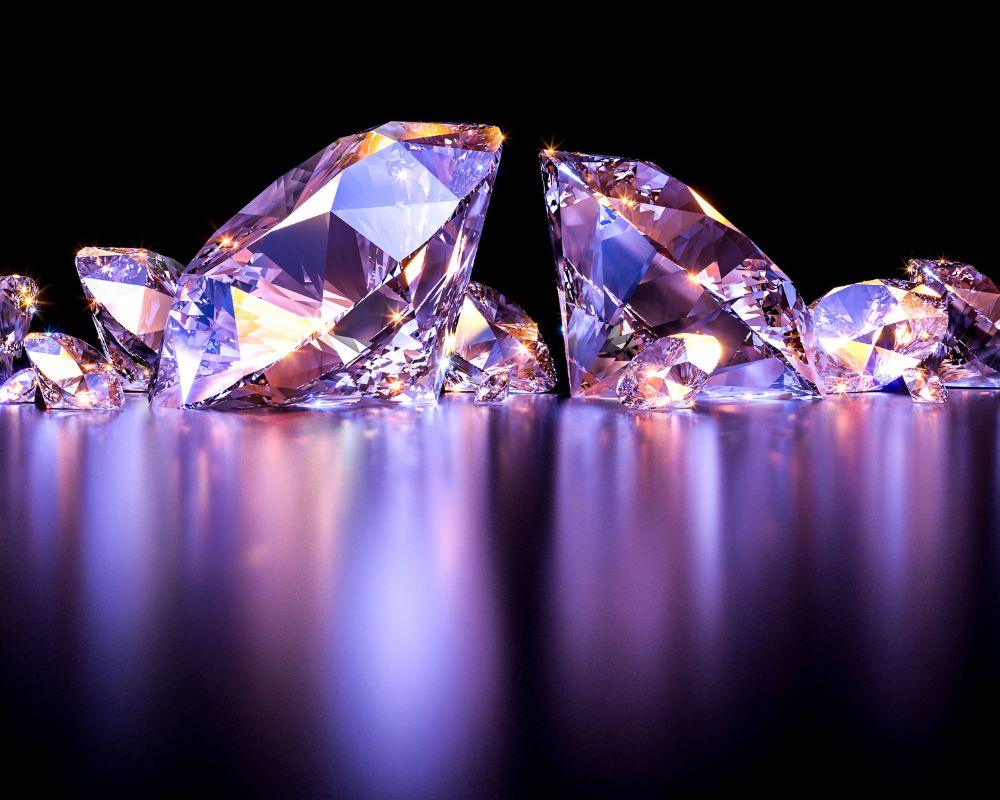
Diamonds are often associated with luxury, wealth, and everlasting beauty, but they are much more than just an ornament for the rich and famous. As one of the most sought-after gemstones in the world, diamonds have a fascinating history, an intriguing formation process, and a wide range of applications that go far beyond jewelry. In this article, we will explore the allure of diamonds, their significance, how they are formed, and the various ways they shape our world today.
1. The Fascinating Formation of Diamonds
Diamonds are not just beautiful—they are nature’s most extraordinary creations. These brilliant gems form deep within the Earth under extreme pressure and heat. A diamond begins as a small carbon atom that, over millions of years, crystallizes into a dense, symmetrical structure. This process happens around 90 to 120 miles beneath the Earth’s surface, where the conditions are perfect for carbon atoms to bond together in a lattice that gives diamonds their legendary hardness.
These diamonds are eventually transported to the Earth’s surface through volcanic eruptions that carry them to the surface within kimberlite pipes. The mining process is challenging and costly, but the result is a natural gem that is cherished for its exceptional beauty and durability.
2. The Allure of Diamonds: From Luxury to Symbolism
Diamonds have always been symbols of power, wealth, and beauty. The ancient Greeks believed that diamonds were fragments of stars that had fallen to Earth, which gave them an ethereal quality. In India, diamonds were regarded as sacred and were often used in religious rituals, as well as for protection in battle.
Over time, diamonds became synonymous with status and affluence. The most famous example of this is the engagement ring, which in the modern world is often a symbol of love and commitment. The phrase "A diamond is forever," coined by the De Beers jewelry company in 1947, helped solidify 人造鑽石品牌 as the ultimate representation of lasting love, contributing to their widespread popularity in engagement rings.
Beyond romantic symbolism, diamonds are also prized for their visual appeal and are often used in high-end fashion, seen in necklaces, earrings, and bracelets. A well-cut diamond, with its sparkle and brilliance, is a perfect example of nature’s artistry.
3. The 4 Cs: How Diamonds Are Graded
When assessing the value of a diamond, professionals rely on the "4 Cs," a grading system that evaluates the key aspects of the gemstone:
-
Carat: This refers to the weight of the diamond. One carat is equivalent to 200 milligrams, and larger diamonds are generally more expensive due to their rarity.
-
Cut: The cut of a diamond is perhaps the most important factor influencing its visual appeal. A well-cut diamond reflects light optimally, creating a stunning sparkle, while a poorly cut diamond may appear dull.
-
Clarity: This refers to the presence of internal imperfections, called inclusions, and external blemishes. A diamond with fewer imperfections is more valuable.
-
Color: The ideal diamond color is colorless, as diamonds that are free of color tend to reflect light more efficiently. However, diamonds come in a wide range of colors, from colorless to shades of yellow, brown, and even rarer colors like blue, pink, and green.
The 4 Cs work together to determine the value and quality of a diamond, helping buyers make informed decisions.
4. Diamonds in Industry: Beyond Beauty
While diamonds are primarily thought of as a luxurious gemstone, they also have significant practical applications in industry. Diamonds are the hardest known natural material, making them ideal for cutting, grinding, and drilling applications. Industrial-grade diamonds are used in tools that cut through metals, concrete, and other hard materials. These diamonds are often found in cutting blades, saws, drills, and grinding wheels used in the manufacturing, mining, and construction industries.
In addition, diamonds are being explored for use in high-tech industries such as electronics and quantum computing. Due to their exceptional conductivity and optical properties, diamonds have the potential to be used in semiconductors, lasers, and even in the development of more powerful computers. This has opened up new possibilities in science and technology, demonstrating that diamonds are far more than just beautiful stones.
5. The Environmental and Ethical Issues Surrounding Diamond Mining
While diamonds are undeniably beautiful and valuable, the process of mining them has raised ethical and environmental concerns. Traditional diamond mining can have a significant impact on the environment, with deforestation, water pollution, and habitat destruction being some of the side effects. Additionally, the practice of mining in conflict zones has led to the trade of "blood diamonds," which are mined under dire conditions and sold to fund armed conflicts.
In response to these concerns, efforts have been made to address the ethical issues surrounding the diamond industry. The Kimberley Process Certification Scheme was established in 2003 to prevent the trade of conflict diamonds, ensuring that diamonds are mined responsibly. Furthermore, many companies are now committed to ethical sourcing and transparent supply chains to ensure that their diamonds come from reputable sources.
6. Lab-Grown Diamonds: A Sustainable Alternative
In recent years, lab-grown diamonds have emerged as a more sustainable and ethical alternative to mined diamonds. These diamonds are created in controlled laboratory environments using high-pressure, high-temperature (HPHT) or chemical vapor deposition (CVD) methods, replicating the natural conditions under which diamonds form in the Earth’s mantle.
Lab-grown diamonds possess the same chemical, physical, and optical properties as natural diamonds, but they are created without the environmental damage or ethical concerns associated with traditional diamond mining. They are increasingly popular among consumers who value sustainability and are looking for an ethical option that does not compromise on quality. Additionally, lab-grown diamonds are often more affordable than their mined counterparts, making them an appealing choice for many buyers.
7. The Future of Diamonds: Innovation and Discovery
As technology advances, the diamond industry continues to evolve. Beyond their use in jewelry and industry, diamonds are being explored for their potential in fields such as quantum computing, where their unique properties could be harnessed to create more advanced and powerful systems. The use of diamonds in electronics is also growing, particularly in the development of components that require exceptional durability and conductivity.
Moreover, the growing popularity of synthetic diamonds could redefine the industry. As consumers become more conscious of the environmental and ethical issues associated with mined diamonds, lab-grown diamonds may become a dominant force in the market, offering a more sustainable alternative to natural diamonds.
Conclusion
Diamonds have always been admired for their extraordinary beauty, strength, and symbolism. From their natural formation deep within the Earth to their use in cutting-edge technologies, diamonds represent the union of nature’s finest craftsmanship and human ingenuity. As we move toward a more sustainable and ethical future, the diamond industry is transforming, offering consumers more options than ever before. Whether natural or lab-grown, diamonds will continue to captivate and inspire, embodying both the timeless elegance of the past and the innovations of the future.
Related Post
Handling Payments And Tipping In Escort Services
When it comes to navigating the intricacies of payments and tipping within the realm of…
幣圈真的能賺錢嗎?新手在進場前應該先想清楚的事
先從最基本的開始說。加密貨幣是什麼?簡單講,它是一種用密碼學技術保護的數位資產,通常建立在區塊鏈上運作。它不是銀行存摺裡的數字,也不是政府印出來的法幣,而是一種由程式規則和網路共識支撐的資產。你可以把它想成一種不靠傳統銀行體系也能流通的電子價值載體,能夠跨國轉帳、儲值、交易,甚至參與一些傳統金融做不到的新型應用。 接著是原生幣、代幣、穩定幣,這三個名詞也很重要。原生幣是某條區塊鏈自己內建的幣,例如比特幣網路的 BTC、以太坊的 ETH、Solana 的 SOL,這類幣通常會用來支付鏈上交易手續費。代幣則是建立在其他區塊鏈上的資產,例如很多在以太坊上的 ERC-20 代幣,或是在 BNB Chain 上的 BEP-20 代幣。市場上你看到的大量山寨幣,很多其實都是代幣,不是獨立區塊鏈的原生幣。 講到這裡,就一定要提比特幣跟以太坊差在哪。很多人剛入門時,只知道 BTC…
Uncovering The Rum World Of Online Gambling Casino
The traditional narrative of online gambling situs slot777 probe focuses on licensing and game fairness,…