

The Evolution of Tensile Structures: From Ancient Tents to Futuristic Designs
Ibomma News Pro >> Business>> The Evolution of Tensile Structures: From Ancient Tents to Futuristic DesignsThe Evolution of Tensile Structures: From Ancient Tents to Futuristic Designs
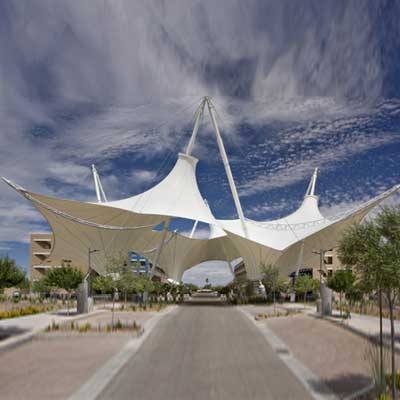
Tensile structures, characterized by their ability to hold loads through tension rather than compression, have an intriguing history. From the rudimentary tents of ancient civilizations to the cutting-edge designs of the modern age, tensile structures have transformed both in terms of materials and engineering techniques. This evolution has been influenced by the demands of society, advancements in technology, and the constant quest for more sustainable, efficient, and visually striking architectural solutions.
Ancient Origins: The First Tents
The story of outdoor tents Riyadh begins in the most primitive form — the tent. Early humans relied on simple, flexible materials like animal hides, woven grasses, and leather stretched over wooden frames to create portable shelters. These structures were primarily used for protection against the elements and were easy to transport, making them ideal for nomadic lifestyles. The use of tension in these early tents was straightforward: the material was stretched between two points to form a covering that could resist external forces such as wind and rain.
The Roman Influence: Engineering and Military Tents
The Romans advanced the concept of tensile structures by refining the use of canvas and leather for military tents. They developed large, robust tents made of tightly stretched fabric supported by wooden or metal poles. These tents were designed not only for military encampments but also for public events, offering temporary shelters for large gatherings. The Roman's ingenuity in creating structures that could withstand varying environmental conditions laid the groundwork for the future of tensile architecture.
The Industrial Revolution: Materials and Structural Innovation
The 18th and 19th centuries marked a significant turning point in tensile architecture, thanks to the Industrial Revolution. Advances in materials science and manufacturing techniques led to the introduction of new, stronger fabrics, such as cotton canvas treated with waterproofing agents. More importantly, the development of iron and steel allowed for the creation of larger, more durable frames to support increasingly sophisticated tensile structures.
In the 19th century, the world's first major tensile structures emerged with the construction of exhibition halls and pavilions. The Crystal Palace in London, built for the 1851 Great Exhibition, featured glass and iron elements but also made use of tensile materials in parts of its design. These developments proved that tension-based structures could be expanded beyond tents, setting the stage for the innovative designs of the 20th century.
The 20th Century: Pioneering Modern Tensile Architecture
The 20th century saw a rapid evolution of tensile structures, influenced by both artistic movements and technological advancements. Architects such as Frei Otto, who became renowned for his work with tensile membranes, utilized lightweight, durable materials such as PVC-coated fabrics and synthetic textiles. Otto’s design for the 1967 Expo Pavilion in Montreal is one of the most famous examples of tensile architecture, featuring large, sweeping forms that appear weightless while providing expansive coverage.
Another key milestone came in the 1960s and 1970s with the development of tensioned fabric structures used for stadiums, convention centers, and airports. These structures used metal cables and high-performance fabrics to create iconic roof systems, as seen in the design of the Sydney Opera House (1966), which employed a shell-like tensile structure to create its distinctive form.
The 21st Century: Sustainability and Futuristic Designs
Today, tensile structures have evolved far beyond their humble beginnings. With advancements in computational design, materials science, and environmental awareness, contemporary tensile architecture prioritizes sustainability, efficiency, and aesthetics. Modern-day architects often use materials like ETFE (ethylene tetrafluoroethylene) and carbon fiber, which allow for greater strength-to-weight ratios and even more complex, futuristic shapes.
Innovative projects, such as the Eden Project in the UK and the Bird’s Nest Stadium in Beijing, showcase the potential of tensile structures in creating large, eco-friendly, and visually stunning buildings. These structures not only serve functional purposes but also contribute to a larger conversation about climate resilience and environmental consciousness. The use of photovoltaic membranes, for example, helps harness solar energy while maintaining the aesthetic integrity of the design.
Conclusion
The evolution of tensile structures, from the earliest tents to the awe-inspiring futuristic designs of today, illustrates the remarkable progress of human ingenuity and architectural creativity. As society continues to prioritize sustainability, it is clear that tensile structures will remain at the forefront of architectural innovation, enabling us to create spaces that are both functional and visually captivating while respecting our planet’s finite resources.
Related Post
A Comprehensive Steer To Online Slot Play
Online slot gaming has taken the earth by storm, offer a stimulating and accessible way…
The Complete Guide To Login Golden338: A Seamless Gateway To Online Entertainment
In today’s fast-paced digital era, online platforms have become the go-to destination for entertainment seekers…
The Most Popular Slot Online Games of the Year
You've likely encountered a variety of slot games in your online gaming ventures, but have…