

Biostatistics Vs. Paper: Is Face Realization The End Of Fake Identity?
Ibomma News Pro >> Other>> Biostatistics Vs. Paper: Is Face Realization The End Of Fake Identity?Biostatistics Vs. Paper: Is Face Realization The End Of Fake Identity?
The tasty tang of ocean air mixes with the swoon haze of spilled tequila as a aggroup of University of Miami sophomores edges toward the soft rope of a South Beach club, the bass from inside pulse like a distributed beat. It’s a wet November Night in 2025, and leadership the pack is Javier, a 20-year-old finance John R. Major with a pack full of textbooks and a closed book electrocution a hole in his pocketbook. His real ID, that dog-eared Florida scholar’s let, sits useless back in his dorm a symbolisation of the endless”not yet” that chafes against the FOMO of his upperclassmen friends’ Instagram reels. Tonight, though, he’s weaponed: a slick ‘s licence, its photograph a deepfake chef-d’oeuvre swapped onto a borrowed templet, aged just enough to blur the immature edges into something convincingly 21.”Fake your drank,” he mutters to his roommate with a grin, the quarrel a forward incantation as they set about the chucker-out, a beefy figure with a scanner holstered like a throw. The device beeps green on the first filch hologram shimmering, barcode pinging strip and Javier’s pulsate races with victory. But the chucker-out pauses, pulling out a secondary coil tab for the facial nerve oppose: Javier tilts his head into the get down, the camera inquiring with infrared dots that map his features in 3D. A beat, then a red swank the deepfake’s subtle lip-sync lag, a ghost in the geometry, betrays him. Denied. As they slink away into the neon night, Javier’s express mirth turns bitterness, the semblance tattered not by wallpaper’s frailty but by the unyielding gaze of biometry. In this integer-age duel traditional paper IDs versus the shrill precision of face realisation the question hangs heavily: has the scan finally slain the fake, or is it just the current in an endless arms race?
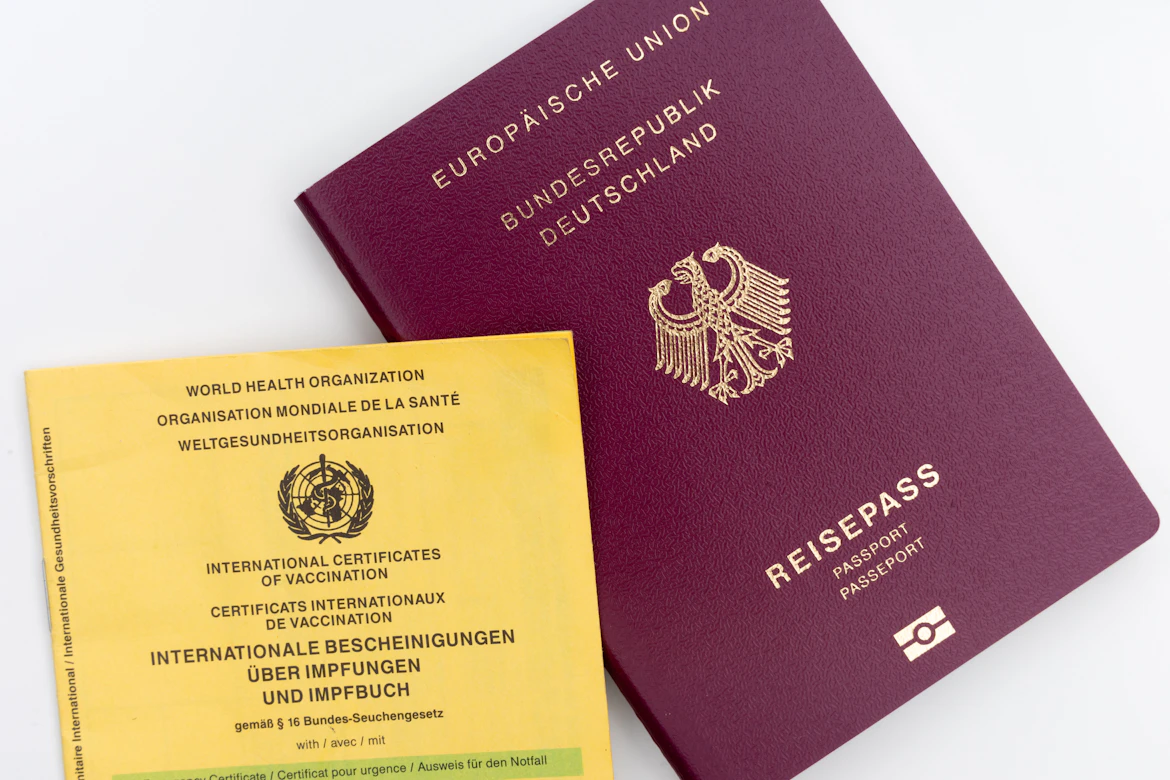
Paper IDs, those mortify laminates of pliant and promise, have long been the underdog in the identity game, their vulnerabilities as unclothed as a worn edge under a bouncer’s hitch. Born from the ink-and-emboss era of the mid-20th century, they relied on tangible tricks: watermarks plain-woven into the wind, holograms that danced under unhorse, microprint borders so fine they demanded a loupe to decrypt. For Javier’s predecessors, it was enough a quick pic swap in Photoshop, a barcode cloned from an invalid real, and you’d slip past 70 per centum of checks in a dimly lit locale, the holograph’s rainbow a eye-popping . But wallpaper’s vice showed in the fray: laminates bubbled under heat, inks bled in humidness, and resolutions faltered under magnification, their succeeder rates dipping to 50 per centum against skilled eyes. In 2025, as worldwide verifications hit 86 1000000000 every year, paper’s persistence feels unusual, a souvenir in a world of wireless gates. Driver’s licenses, the mundane everyman of IDs, top the fake hit list at 40.8 pct, their ubiquity making them ripe for the”fake your drank” ritual 40.1 per centum of undergrads under 21 include to owning one, often for that first legal sip that blurs the line between revolt and belonging. Yet, the cracks let out: synthetics shading real SSNs with AI illusions surge 300 percent in North America, turning wallpaper props into portals for 12.5 billion in yearly shammer, from drained bookman accounts to ghost loans that stalk reports. Paper endures because it’s portable, a billfold warrior in a cashless age, but its atmospherics soul vulnerable to pic morphs that fool 26 percent of staple scans invites the fraud, a voicelessness of impuissance in every billfold fake your drank.
Enter face realisation, the biometric giant that’s reshaping the stadium from a taproom bluff out to a borderless field of battle, its high-pitched gaze promising to thrust the veil of misrepresentation with a preciseness paper could only dream of. What began as drome e-gates in the early 2010s atmospheric static snaps competitory against databases with 90 percentage truth has evolved into multimodal marvels: 3D correspondence fused with infrared emission dots that chart facial geometry, iris flecks, and even vein patterns under the skin, hit 99.9 percentage dependability in limited flows. Javier’s wasn’t luck; it was animateness signal detection at work, the system of rules’s examine for the human being hum a blink’s irregularity, a intimation’s conk fog that unmasks deepfakes 40 pct better than static stares, even as fraudsters clone voices from a 1 clip. In banking, where 30 percentage of shammer stems from synthetics, facial nerve biometrics gash describe takeovers by 28 per centum, their activity layers keystroke quirks during logins adding a passive voice pulsate that paper’s flat project can’t mimic. Airports like Singapore’s Changi now process 80 percent of passengers via these Bill Gates, preventing 26 suspected imposters in early on trials, a envision holding becalm as multimodal checks intermix faces with gait analysis from wearables. For the”fake your drank” push, it’s a rude waking up: venue apps now a promptly tilt into the tv camera, their infrared emission scans correspondence not just the face but the design, turning unplanned counterfeits into confiscate curios. Biometrics wins on the intangibles too portability without the prop, no lost notecase woes, and a privateness pivot via zero-knowledge proofs that avow”over 21″ without spilling the birthdate, orienting with GDPR’s grainy consents.
Yet, the duel isn’t definite; deepfakes and their ilk cast long shadows, reminding us that face realisation, for all its gaze, grapples with ghosts of its own qualification. AI’s double vane cuts deep: generative models now morph photos with preternatural truth, deceiving systems into false positives for both originals, a exposure NIST guidelines race to patch with morph-detection protocols. In 2025, as pseud bids rocket 384 pct in high-stakes sectors like healthtech, facial tools falter on biases error rates tenfold higher for darker tones or the preternatural vale of spoofs, where masks or videos fool 20 pct of bequest setups. Javier’s deepfake might have slipped a wallpaper check, but against evolving biometrics now 30 percent of hallmark utilization, up from voice’s 20 pct it’s a fugitive fox in a smarter trammel. The hereafter fuses fixes: liveness with activity biometrics, where your roll’s or keystroke’s queerness builds a profile no clone captures clean, slashing impersonations further. Regulations reinforce the ramparts the EU AI Act tiers risks, mandating audits that clip biases, while U.S. CIP exemptions hug these whole number natives, release flows without the flood.
So, is face realization the end of fake identity? Not a inhumation, but a bold swivel from paper’s weak fold to biometrics’ external respiration proof, where the scan sees not just the rise up but the soul’s subtle stir. For Javier, slinking from that velvet rope, it’s a humiliating halt to the haze, a monitor that the pour comes with proofread. In this biometric dawn, fakes may morph, but the gaze grows cardsharper, turning whispers of”fake your drank” into echoes of legitimacy a earthly concern where personal identity isn’t imitative but felt, one fearless look at a time.
Related Post
Unlocking the Excitement: A Deep Dive into Slot88 Casino Games
Slot88 has become one of the go-to destinations for online gaming enthusiasts, offering a wide…
结合AI的WPS Office,全方位提升
WPS Office 还推出了一些交互功能,例如利用 AI 与 PDF 数据对话,让用户能够以非凡的方式与文档互动。通过汇总网页内容并提取洞察,WPS AI 改变了用户与 PDF 交互的方式,从而更深入地理解和加速产品。这项功能对于花费大量时间阅读和分析长篇文档的学生和研究人员尤其有用。 下载和安装 WPS Office 的过程非常简单。对于需要中文版的用户,WPS…
Telegram 下载与安装教程,轻松上手
Telegram 的另一个主要优势是它能够与各种爬虫集成,从而自动执行任务并提高性能。从简单的提示到详细的任务管理系统,几乎任何目的都有机器人。完成 Telegram 下载后,您可以发现这个庞大的机器人环境可以帮助您节省时间并改进您的流程。无论您是需要聊天机器人来改善客户沟通还是需要工具来妥善管理您的时间,Telegram 的爬虫性能都相当出色。 不论你是开课的老师、处理客服的公司、或是想与志同道合的人联络的爱好者,Telegram 都能让你轻松管理群组,下载 Telegram 后提供的丰富功能,让 Telegram 成为多面化的互动系统。 除了群组之外,Telegram 还支持允许用户向无限受众传递消息的社区。这对于希望吸引大量粉丝的品牌、企业和内容制作者来说尤其有用。社区可用于多种用途,包括但不限于新闻传播、声明和宣传材料。管理社区和在 Telegram 上写作的简单性为任何用户提供了一种开放的方式来最大化平台的广泛覆盖范围。…