

Buy Meat Online World-wide: How Online Slaughter Shops Are Ever-changing The Meat Manufacture
Ibomma News Pro >> Business>> Buy Meat Online World-wide: How Online Slaughter Shops Are Ever-changing The Meat ManufactureBuy Meat Online World-wide: How Online Slaughter Shops Are Ever-changing The Meat Manufacture
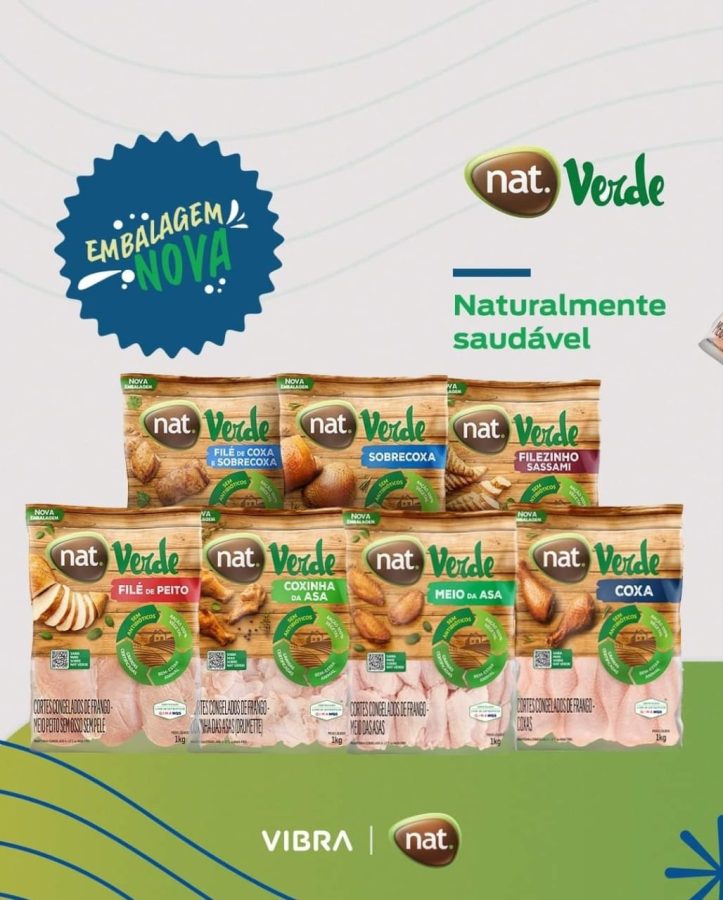
The world food industry has undergone a spectacular shift in Holocene age, and one of the most amazing shifts has been in how consumers buy out meat. Traditionally, buying meat meant visiting a local anaesthetic slaughter shop or supermarket, where choices were express by geography and available cater irons. Today, however, online slaughter shops have made it possible to say high-quality meat from around the earth with just a few clicks. This transfer is not only dynamical habits but also reshaping how meat is sourced, refined, and delivered on a global scale. Frozen Turkey For Sale Online.
One of the key drivers behind the rise of online meat shopping is convenience. Consumers no yearner need to set their schedules to travel to physical stores or vex about put in hours and availability. Instead, they can browse curated selections of beef, lamb, chicken, pork, and speciality meats from their phones or computers at any time. Many online butcher platforms also supply detailed production descriptions, inception entropy, and grooming tips, allowing customers to make more educated decisions than they might in a orthodox retail setting. This raze of accessibility has made premium meat products available to a much wider hearing.
Another profound factor in is quality control and transparentness. Online butcher shops often underscore sourcing practices, offering grass over-fed, organic, internal secretion-free, or ethically inflated meat options. Because these businesses rely to a great extent on reputation and client bank, they tend to ply more detailed traceability information than traditional market stores. Customers can often teach exactly where the brute was inflated, how it was fed, and how it was refined. This transparentness has become a John Major selling target for wellness-conscious and minded consumers who want more control over what they eat.
The globalisation of meat ply irons has also been accelerated by online platforms. In the past, importation high-quality meat was mostly modified to restaurants or specialized distributors due to supplying challenges and restrictive barriers. Now, online butcher services have efficient international transportation, cold-chain logistics, and promotional material technologies to see to it freshness across long distances. As a result, consumers in one part of the earth can wagyu beef from Japan, lamb from New Zealand, or specialty cuts from Europe without leaving their homes. This world access has importantly broadened culinary possibilities for home cooks.
Technology plays a exchange role in the success of online meat businesses. Advanced infrigidation and vacuum-clean-sealing techniques assure that products stay freshly during pass across, even across International borders. In plus, whole number platforms use data analytics and customer feedback to personalise recommendations, meliorate inventory direction, and optimize saving routes. Some services even incorporate subscription models, where customers receive fixture shipments of curated meat selections trim to their preferences. This combination of logistics design and integer intelligence has made online slaughter shops both effective and climbable.
Despite these advantages, the rise of online meat shopping also presents challenges. One of the primary quill concerns is maintaining homogenous quality across long supply chains. While many companies enthrone to a great extent in cold storehouse and transportation system systems, delays or treatment issues can still regard product freshness. Additionally, regulative differences between countries can rarify imports and exports, requiring exacting compliance with food safety standards. Consumers also face the challenge of not physically inspecting products before buy in, which can lead to uncertainty about texture, marbling, or cut tone.
Environmental considerations are another world-shattering panorama of the discourse. While online meat saving can tighten the need for shop at trips to physical stores, it also increases promotion use and transit emissions, particularly for International shipments. However, some online butcher companies are addressing these concerns by adopting property promotional material materials, optimizing delivery routes, and partnering with eco-friendly farms. The industry is step by step moving toward reconciliation convenience with situation responsibility, though this corpse an current challenge.
Ultimately, online butcher shops are redefining how populate interact with one of the most traditional sectors of the food industry. By combining , transparence, world get at, and engineering, they are creating a new model for meat expenditure that aligns with Bodoni expectations. While challenges age-related to logistics, rule, and sustainability stay, the increase of this sector shows no signs of slowing down. As more consumers embrace whole number food buying, the global meat industry is likely to become even more reticulate, effective, and customer-focused in the old age in the lead.
Related Post
Affordable SEO For Small Business: Boost Your Online Presence Without Breaking The Bank
In today’s digital world, having a strong online presence is no longer optional for businesses—it’s…
MACAUSLOT88: A Modern Gaming Destination For Online Entertainment
In the rapidly growing world of digital entertainment, online gaming platforms have become one of…
Memahami Kemudahan Bermain Slot Online Bahasa Indonesia
Permainan slot online telah mengalami pertumbuhan yang signifikan di Indonesia. Bertambahnya popularitas permainan ini sebanding…