

Can seniors use best multivitamin tablets in Pakistan?
Ibomma News Pro >> Health & Fitness>> Can seniors use best multivitamin tablets in Pakistan?Can seniors use best multivitamin tablets in Pakistan?
As people get older, nutrition often becomes more important and sometimes more difficult to manage. Changes in appetite, digestion, medication use, and daily activity can make it harder for seniors to get enough vitamins and minerals from food alone. This naturally raises an important question:
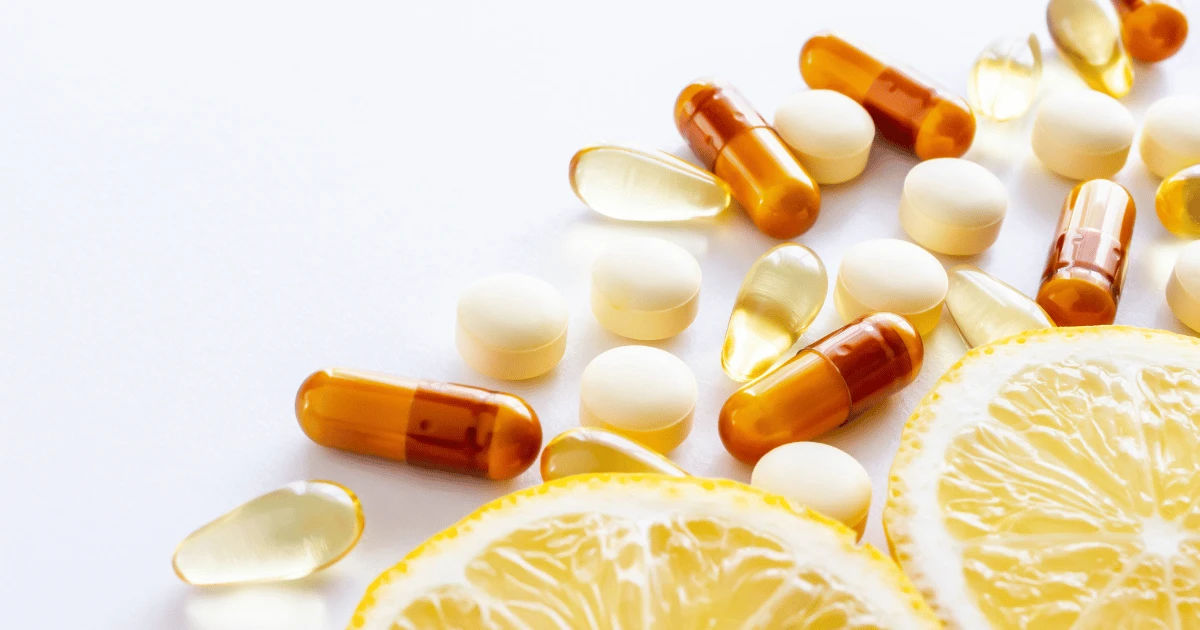
can older adults safely take multivitamins? In many cases, they can, but the right product and dose matter. Choosing the best multivitamin tablets in Pakistan for a senior should involve more than simply picking a product with the largest number of nutrients.
A multivitamin may help fill nutritional gaps when an older person's diet does not provide enough essential nutrients. However, it is not a replacement for balanced meals, medical care, or treatment for a diagnosed deficiency.
Seniors may also have different nutritional needs because the body absorbs certain nutrients differently with age. For this reason, a thoughtful approach is much safer than taking supplements randomly.
Why Seniors May Need Extra Nutritional Support
Aging can bring several changes that influence nutrition. Some seniors experience reduced appetite and may eat smaller portions. Others may have difficulty chewing certain foods, digestive problems, or changes in taste and smell that affect food choices.
There can also be lifestyle factors. A senior who spends less time outdoors may have lower vitamin D exposure. Someone who eats very little meat, eggs, or dairy products may not get adequate amounts of certain nutrients.
Certain medications can also affect nutrient absorption or metabolism. This does not automatically mean that every senior needs a multivitamin, but it is one reason nutritional needs should be considered individually.
What Should a Senior Multivitamin Contain?
There is no single formula that is perfect for every older adult. A useful multivitamin generally provides a sensible range of essential vitamins and minerals without unnecessarily high doses.
Vitamin D
Vitamin D is important for maintaining bones and supporting normal muscle and immune function. Older adults may be more vulnerable to inadequate vitamin D because skin production decreases with age and some people have limited sunlight exposure.
However, taking very high doses without medical advice is not a good idea. Vitamin D is fat-soluble, meaning excessive amounts can accumulate in the body.
Vitamin B12
Vitamin B12 deserves particular attention in older adults. The ability to absorb naturally occurring B12 from food can decline with age, partly because stomach acid and other digestive processes may change.
B12 is involved in red blood cell formation and normal neurological function. Seniors with a known deficiency may require a specific B12 supplement rather than relying only on a general multivitamin.
Folate
Folate supports normal cell division and red blood cell production. It is found in foods such as leafy green vegetables, beans, and fortified grains.
A multivitamin can provide folate, but more is not necessarily better. High amounts of certain nutrients can sometimes create problems or complicate the diagnosis of another deficiency.
Calcium
Calcium is important for maintaining bones and teeth. However, seniors should not automatically choose a multivitamin containing a large amount of calcium.
Calcium requirements are often better considered alongside dietary intake. A person who regularly consumes dairy products or calcium-fortified foods may already receive substantial amounts through meals.
Magnesium
Magnesium contributes to normal muscle and nerve function and is involved in numerous processes in the body. Food sources include nuts, seeds, whole grains, beans, and some vegetables.
Again, a multivitamin should complement the diet rather than become the primary source of magnesium.
Zinc
Zinc supports normal immune function, wound healing, and other biological processes. Older adults may sometimes have diets that provide less zinc than recommended.
Excessive zinc supplementation, however, can interfere with copper absorption. This is another reason to avoid assuming that a higher-dose product is automatically better.
Can Seniors Safely Take Multivitamins?
For many healthy seniors, a standard-dose multivitamin can be appropriate. The key issue is whether the product matches the person's nutritional needs and health circumstances.
Before starting any supplement, seniors should consider their existing medications, medical conditions, dietary habits, and previous blood-test results. A doctor or qualified healthcare professional can help determine whether supplementation is necessary.
This is especially important when someone takes several prescription medicines. Older adults are more likely to use multiple medications, and supplements can sometimes affect how medicines work or how nutrients are absorbed.
Why High-Dose Supplements Can Be a Problem
One common mistake is assuming that the strongest multivitamin is the most effective. That is not necessarily true.
Some vitamins, particularly fat-soluble vitamins such as A, D, E, and K, can accumulate in the body. Taking excessive amounts over time can potentially cause adverse effects.
Water-soluble vitamins are generally eliminated more readily through urine, but that does not mean unlimited doses are harmless. Large amounts of certain B vitamins or vitamin C can also cause unwanted effects in some people.
Therefore, when comparing the best multivitamin tablets in Pakistan, seniors should look beyond the front label. The actual amounts of each nutrient are more important than marketing claims about being “extra strength” or “high potency.”
What About Seniors Taking Medicines?
Medication use is one of the most important considerations.
For example, vitamin K can interact with warfarin and affect blood clotting control. Calcium and iron can interfere with the absorption of certain medicines when taken too close together. Other supplements may also affect medication absorption or metabolism.
This does not mean seniors taking medication cannot use multivitamins. It means timing, ingredients, and dosage may need professional review.
A senior should tell a doctor or pharmacist about all supplements being taken, including multivitamins, herbal products, and individual vitamins. Keeping a written list can make this conversation easier.
Should Seniors Choose Iron-Containing Multivitamins?
Iron is an essential mineral, but older adults should not automatically take extra iron.
Iron deficiency can occur for several reasons, but unnecessary iron supplementation may cause constipation, stomach discomfort, and other problems. In some circumstances, excessive iron intake can be harmful.
A senior with anemia or suspected iron deficiency should have the cause investigated rather than simply starting an iron-containing supplement.
For this reason, a senior-specific multivitamin without high-dose iron may sometimes be more appropriate, depending on the person's circumstances.
How Diet Still Matters
Even the best multivitamin tablets in Pakistan cannot compensate for a poor diet.
Seniors should ideally obtain most nutrients from a varied diet containing vegetables, fruits, whole grains, protein-rich foods, healthy fats, and appropriate sources of dairy or alternatives.
Protein deserves special attention because maintaining muscle becomes increasingly important with age. Eggs, fish, poultry, beans, lentils, yogurt, and other protein-rich foods can contribute to maintaining strength.
Adequate fluid intake is also important. Some older adults have a reduced sensation of thirst and may not drink enough throughout the day.
How to Choose a Multivitamin for an Older Adult
The first step is to examine the nutritional label carefully.
Look for reasonable amounts rather than extremely high percentages of daily requirements. A product designed specifically for older adults may have a formulation that considers common nutritional concerns associated with aging.
Check the Ingredient List
Do not rely only on the front of the package. Check every vitamin and mineral listed, including the amount per serving.
Pay attention to vitamins A, D, E, and K, as well as iron, zinc, calcium, and magnesium.
Avoid Unnecessary “Mega-Dose” Formulas
A product containing several times the recommended amount of many nutrients is not automatically superior.
For long-term daily use, a balanced formulation is generally more sensible than a product designed around extremely high doses.
Consider the Form
Seniors who have difficulty swallowing may struggle with large tablets. Capsules, smaller tablets, liquid formulations, or chewable products may be easier for some people.
However, convenience should not come at the expense of appropriate nutrient amounts and quality.
Consider Quality and Storage
Buy supplements from reputable pharmacies, established retailers, or reliable manufacturers. Check the packaging, expiry date, batch information, and storage instructions.
In Pakistan, products can vary considerably in price, but a higher price does not automatically indicate better quality.
How Should Seniors Take Multivitamins?
A multivitamin should generally be taken according to the manufacturer's directions unless a healthcare professional recommends something different.
Taking it with food may improve tolerance for some people and can be particularly useful for products containing fat-soluble vitamins.
Seniors should avoid taking several overlapping supplements without checking their combined nutrient intake. For example, taking a multivitamin, separate vitamin D supplement, calcium supplement, and other fortified products could unintentionally result in excessive intake of certain nutrients.
Keeping supplementation simple can make it easier to follow and monitor.
Who Should Talk to a Doctor First?
Some seniors should get professional advice before beginning a multivitamin.
This includes people with kidney or liver problems, those taking several prescription medicines, individuals with diagnosed nutrient deficiencies, and people who have recently experienced unexplained weight loss or major changes in appetite.
Anyone receiving treatment for a chronic condition should also discuss supplements with their healthcare provider.
Professional advice becomes particularly important when a senior is considering high-dose individual vitamins in addition to a multivitamin.
Common Mistakes Seniors Should Avoid
One mistake is treating a multivitamin as a substitute for healthy food. Supplements are intended to supplement the diet, not replace it.
Another mistake is taking multiple products with similar ingredients. A senior may use a multivitamin while also taking separate vitamins and fortified nutritional drinks without realizing that several products contain the same nutrients.
Buying based entirely on advertisements is another common problem. Claims such as “complete,” “maximum strength,” or “all-in-one” do not prove that a product is appropriate for a particular person.
Finally, seniors should not assume that natural or herbal ingredients are automatically safe. Plant-based ingredients can also have pharmacological effects and may interact with medicines.
Frequently Asked Questions
Can a 60-year-old take a multivitamin every day?
Many healthy adults over 60 can take a standard-dose multivitamin every day when it is appropriate for their nutritional needs. However, age alone does not determine whether supplementation is necessary. Diet, medications, medical history, and laboratory results should also be considered.
Should seniors take a multivitamin with food?
Taking a multivitamin with a meal can be easier on the stomach and may help with absorption of certain fat-soluble vitamins. The exact instructions depend on the specific product, so seniors should follow the label or advice provided by their healthcare professional.
Is a senior multivitamin better than a regular multivitamin?
A senior-focused formula may be designed around nutritional concerns that are more common with aging. However, “senior” on the label does not automatically make a product better. The nutrient amounts, ingredients, quality, and individual needs matter more than the name.
Can multivitamins improve energy in older adults?
A multivitamin is unlikely to provide a noticeable energy boost if someone already gets adequate nutrients. If fatigue is persistent, it is better to investigate possible causes rather than assuming that a vitamin deficiency is responsible.
Can seniors take multivitamins with prescription medicines?
Some can, but interactions are possible. Certain nutrients may affect medication absorption or activity. Seniors who take prescription medicines should review the supplement with a doctor or pharmacist before using it regularly.
Conclusion
Seniors can often use multivitamins, but choosing one should be a thoughtful decision rather than a simple search for the highest-strength product. The best multivitamin tablets in Pakistan for one older adult may not be the right choice for another because nutritional needs vary considerably.
A sensible multivitamin can help fill nutritional gaps, particularly when appetite, diet, or nutrient absorption has changed with age. Vitamins such as B12 and D may deserve particular attention, while minerals such as calcium, magnesium, zinc, and iron should be considered according to individual needs.
The most important point is that supplementation should support a healthy lifestyle rather than replace it. A balanced diet, sufficient protein, regular physical activity appropriate for the individual, good hydration, adequate sleep, and routine healthcare remain central to healthy aging.
Seniors taking medicines or managing ongoing health conditions should speak with a doctor or pharmacist before beginning a new supplement. Checking the ingredient list and avoiding unnecessary mega-dose formulas can also reduce the risk of excessive nutrient intake.
Ultimately, the safest approach is to choose a reputable, appropriately dosed product that fits the person's diet and health situation. When used thoughtfully, a multivitamin can be a useful nutritional tool for some seniors—but it should be part of a broader approach to healthy aging, not treated as a cure-all.
Related Post
Why Aba Therapy Is A Trusted Option For Autism Support
Every kid learns in a different way, and every mob has unusual goals for their…
Requisite Attributes Of A Good Tribute Officer Bodyguard
One of the biggest concerns nowadays for any mortal is surety. The rising terror of…
A Nail Steer To Men’s Wellness And Health
Men's wellness and wellness are crucial for a fulfilling life, yet many drop their signification.…