

The Evolution of Tensile Structures: From Ancient Tents to Futuristic Designs
Ibomma News Pro >> Business>> The Evolution of Tensile Structures: From Ancient Tents to Futuristic DesignsThe Evolution of Tensile Structures: From Ancient Tents to Futuristic Designs
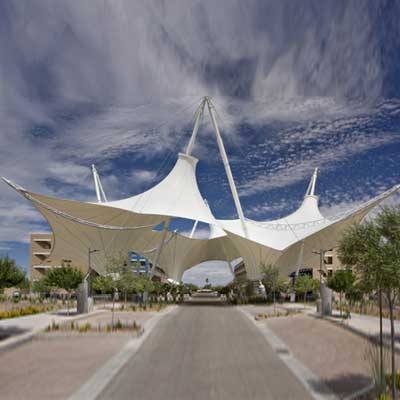
Tensile structures, characterized by their ability to hold loads through tension rather than compression, have an intriguing history. From the rudimentary tents of ancient civilizations to the cutting-edge designs of the modern age, tensile structures have transformed both in terms of materials and engineering techniques. This evolution has been influenced by the demands of society, advancements in technology, and the constant quest for more sustainable, efficient, and visually striking architectural solutions.
Ancient Origins: The First Tents
The story of outdoor tents Riyadh begins in the most primitive form — the tent. Early humans relied on simple, flexible materials like animal hides, woven grasses, and leather stretched over wooden frames to create portable shelters. These structures were primarily used for protection against the elements and were easy to transport, making them ideal for nomadic lifestyles. The use of tension in these early tents was straightforward: the material was stretched between two points to form a covering that could resist external forces such as wind and rain.
The Roman Influence: Engineering and Military Tents
The Romans advanced the concept of tensile structures by refining the use of canvas and leather for military tents. They developed large, robust tents made of tightly stretched fabric supported by wooden or metal poles. These tents were designed not only for military encampments but also for public events, offering temporary shelters for large gatherings. The Roman's ingenuity in creating structures that could withstand varying environmental conditions laid the groundwork for the future of tensile architecture.
The Industrial Revolution: Materials and Structural Innovation
The 18th and 19th centuries marked a significant turning point in tensile architecture, thanks to the Industrial Revolution. Advances in materials science and manufacturing techniques led to the introduction of new, stronger fabrics, such as cotton canvas treated with waterproofing agents. More importantly, the development of iron and steel allowed for the creation of larger, more durable frames to support increasingly sophisticated tensile structures.
In the 19th century, the world's first major tensile structures emerged with the construction of exhibition halls and pavilions. The Crystal Palace in London, built for the 1851 Great Exhibition, featured glass and iron elements but also made use of tensile materials in parts of its design. These developments proved that tension-based structures could be expanded beyond tents, setting the stage for the innovative designs of the 20th century.
The 20th Century: Pioneering Modern Tensile Architecture
The 20th century saw a rapid evolution of tensile structures, influenced by both artistic movements and technological advancements. Architects such as Frei Otto, who became renowned for his work with tensile membranes, utilized lightweight, durable materials such as PVC-coated fabrics and synthetic textiles. Otto’s design for the 1967 Expo Pavilion in Montreal is one of the most famous examples of tensile architecture, featuring large, sweeping forms that appear weightless while providing expansive coverage.
Another key milestone came in the 1960s and 1970s with the development of tensioned fabric structures used for stadiums, convention centers, and airports. These structures used metal cables and high-performance fabrics to create iconic roof systems, as seen in the design of the Sydney Opera House (1966), which employed a shell-like tensile structure to create its distinctive form.
The 21st Century: Sustainability and Futuristic Designs
Today, tensile structures have evolved far beyond their humble beginnings. With advancements in computational design, materials science, and environmental awareness, contemporary tensile architecture prioritizes sustainability, efficiency, and aesthetics. Modern-day architects often use materials like ETFE (ethylene tetrafluoroethylene) and carbon fiber, which allow for greater strength-to-weight ratios and even more complex, futuristic shapes.
Innovative projects, such as the Eden Project in the UK and the Bird’s Nest Stadium in Beijing, showcase the potential of tensile structures in creating large, eco-friendly, and visually stunning buildings. These structures not only serve functional purposes but also contribute to a larger conversation about climate resilience and environmental consciousness. The use of photovoltaic membranes, for example, helps harness solar energy while maintaining the aesthetic integrity of the design.
Conclusion
The evolution of tensile structures, from the earliest tents to the awe-inspiring futuristic designs of today, illustrates the remarkable progress of human ingenuity and architectural creativity. As society continues to prioritize sustainability, it is clear that tensile structures will remain at the forefront of architectural innovation, enabling us to create spaces that are both functional and visually captivating while respecting our planet’s finite resources.
Related Post
iTools 下载全攻略:轻松管理 iPhone 与 iPad 的高效工具完整指南
iTools 下载已经成为许多 iPhone 和 iPad 用户关注的热门话题。对于希望更方便地管理苹果设备数据的用户来说,iTools 是一款非常实用的软件。它被广泛认为是传统 iTunes 的优秀替代工具,能够帮助用户更轻松地传输照片、视频、音乐、联系人以及其他重要文件。根据最新官方信息,iTools 目前支持 Windows 和 Mac 平台,并兼容较新的…
全面解析计算机安全软件在保护个人隐私、防御网络威胁与提升系统稳定性中的关键作用
在当今数字化高速发展的时代, 火绒下载 软件已成为个人用户和企业不可或缺的保护工具。随着网络攻击手段日益复杂,从病毒、木马到勒索软件和钓鱼网站,计算机系统面临的安全威胁层出不穷。计算机安全软件通过多层次、多功能的保护机制,帮助用户防御这些潜在威胁,保障数据安全,维护系统稳定运行,同时提升网络使用体验。 首先,计算机安全软件的核心功能是防病毒与恶意软件检测。现代安全软件通常采用云端病毒库和实时监控技术,对计算机中的文件、应用程序和网络流量进行持续扫描。一旦发现可疑行为或恶意程序,系统会立即提醒用户并采取隔离或删除措施。这种实时防护不仅可以阻止病毒的传播,还能有效防止数据被篡改或泄露,从而减少经济损失和隐私风险。 除了防病毒功能,计算机安全软件还提供强大的防火墙和入侵检测功能。防火墙可以监控和控制计算机与外部网络之间的数据传输,阻止未经授权的访问。入侵检测系统能够实时分析网络活动,识别异常行为并发出警报,帮助用户及时采取应对措施。这些功能对于企业级用户尤为重要,因为企业通常处理大量敏感数据,如客户信息、财务数据和商业机密,任何漏洞都可能导致严重后果。 数据备份与恢复也是现代计算机安全软件的重要组成部分。许多软件提供自动备份功能,将关键数据保存在安全的云端或本地存储中。在系统遭受攻击或意外故障时,用户可以快速恢复数据,减少业务中断时间和信息损失。这种预防性保护不仅提高了数据安全性,也增强了用户对系统的信任感。 此外,计算机安全软件越来越重视隐私保护功能。现代软件通常具备浏览器隐私防护、广告追踪阻止、密码管理和加密传输等功能。用户在上网时,软件可以阻止恶意网站窃取个人信息,保护账户安全,防止身份被冒用。随着远程办公和在线交易的普及,这类功能显得尤为重要,为用户提供全方位的安全保障。 随着人工智能和大数据技术的应用,计算机安全软件的智能化水平不断提升。通过机器学习算法,软件可以自主识别未知威胁,并根据用户行为进行风险预测和防御策略优化。这种智能化能力不仅提高了防护效率,也减少了误报和漏报的可能性,使系统安全管理更加精准和高效。 总体而言,计算机安全软件在现代信息社会中扮演着不可替代的角色。它不仅保护用户免受病毒、木马和网络攻击的侵害,还通过防火墙、数据备份和隐私保护等功能提升系统稳定性和使用体验。随着网络威胁的不断演变,选择可靠、安全、功能完善的计算机安全软件,已成为每位个人用户和企业确保数字资产安全的重要策略和日常必备工具。
Air Resort Services With Free Inspection
If you're considering air repair services, you might want to look into those that offer…