

What glass suits Glass Fittings Pakistan?
Ibomma News Pro >> Business>> What glass suits Glass Fittings Pakistan?What glass suits Glass Fittings Pakistan?
Glass has become an essential material in modern architecture because it creates bright, open, and attractive spaces. From office partitions and shower enclosures to shopfronts, balconies, and glass doors, it offers a combination of elegance and practicality. However, choosing the right glass is just as important as selecting the fittings that hold it in place. The correct combination improves safety, durability, appearance, and overall performance.
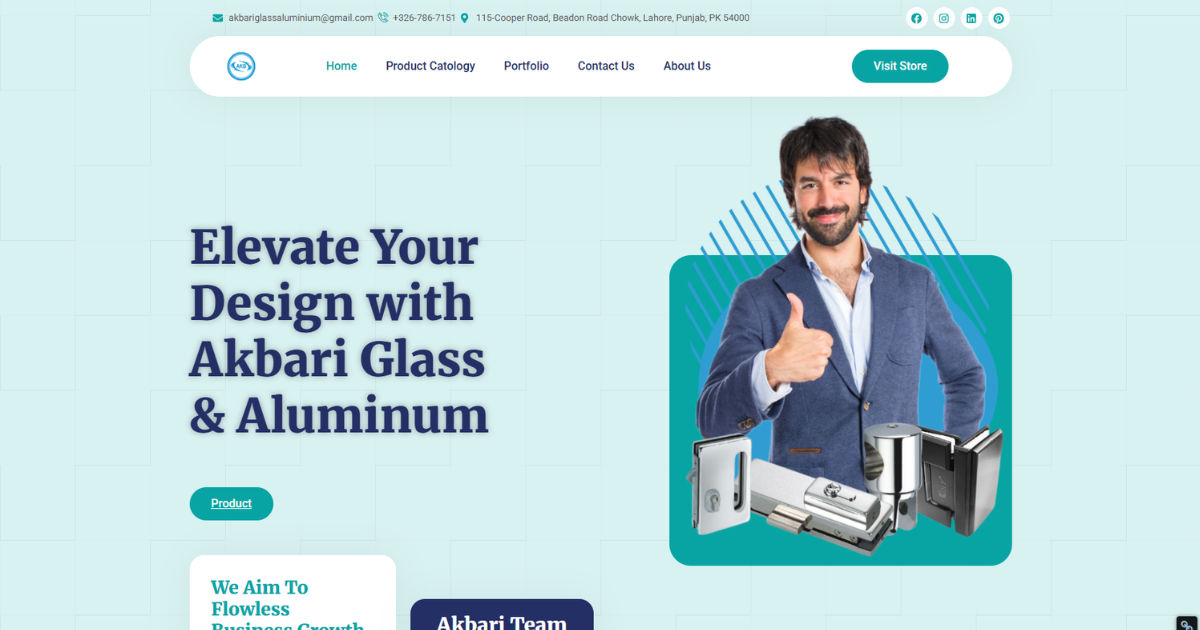
When planning a glass installation, understanding the options available through Glass Fittings Pakistan can help homeowners, architects, contractors, and business owners make informed decisions. Different projects require different types of glass, and the best choice depends on the installation location, the expected load, exposure to weather, privacy requirements, and the type of hardware being used.
Pakistan's construction industry includes a wide range of residential, commercial, and industrial projects. Each environment presents different challenges, from intense sunlight and temperature changes to humidity, frequent use, and concerns about safety. Selecting suitable glass and compatible fittings can help address these challenges while maintaining a clean, modern appearance.
This comprehensive guide explains the most suitable glass types for different fittings, their advantages, important safety considerations, and the factors you should evaluate before purchasing materials for your next project.
What Are Glass Fittings?
Glass fittings are hardware components used to install, support, connect, secure, or operate glass panels. They allow glass to function as part of a door, partition, railing, enclosure, or other architectural feature.
These fittings are commonly manufactured from stainless steel, aluminium, brass, and other materials selected for their strength, corrosion resistance, and appearance.
Common Types of Glass Fittings
Glass door hinges: These allow glass doors to open and close smoothly. They are commonly used in bathrooms, offices, shops, and residential interiors.
Patch fittings: These metal components connect frameless glass doors to floor springs, adjacent panels, or other supporting hardware.
Glass clamps: Clamps secure glass panels to supporting structures or connect panels where appropriate. Their suitability depends on the glass thickness, panel design, and the manufacturer's specifications.
Shower enclosure fittings: These include hinges, handles, support bars, and brackets designed for glass shower doors and screens.
Glass railing fittings: These components support glass balustrades on balconies, staircases, terraces, and other elevated areas.
Spider fittings: These are specialized connectors commonly used in structural glazing systems, including certain glass facades.
Choosing suitable hardware is essential because each fitting is designed for particular applications, glass dimensions, and loading conditions.
Which Types of Glass Are Suitable for Glass Fittings Pakistan?
There is no single glass type suitable for every installation. The correct choice depends on the purpose of the structure, the required safety level, the fitting system, and the surrounding environment.
1. Tempered Glass
Tempered glass, also called toughened glass, is one of the most widely used options for architectural installations.
It is manufactured through a controlled heating and cooling process that increases its resistance to mechanical and thermal stress compared with ordinary annealed glass of the same thickness.
When it breaks, tempered glass generally fragments into many relatively small pieces rather than large, sharp shards. Although this can reduce certain injury risks, it does not make the glass completely safe in every situation.
Best applications include:
-
Frameless glass doors
-
Shower enclosures
-
Office partitions
-
Glass railings, where specifically designed for the application
-
Shopfronts and commercial interiors
Tempered glass is particularly useful when strength and safety are important. However, the required thickness must be calculated according to panel dimensions, installation details, loads, and applicable building requirements.
One important limitation is that tempered glass cannot normally be cut, drilled, or ground after tempering. All necessary holes, notches, and edge finishing must be completed beforehand.
2. Laminated Glass
Laminated glass consists of two or more glass layers bonded together using an interlayer, commonly made from polyvinyl butyral or another suitable material.
When the glass breaks, the interlayer helps retain many fragments, reducing the likelihood that the entire panel will fall apart immediately.
This characteristic makes laminated glass valuable for applications where retaining broken glass is especially important.
Common applications include:
-
Glass balconies
-
Overhead glazing
-
Skylights
-
Certain glass railings
-
Large windows and facades
-
Areas where additional security or fragment retention is required
For Glass Fittings Pakistan projects involving balconies or elevated glazing, laminated glass deserves particular consideration. However, the exact glass construction must be selected according to the application and applicable safety requirements.
Laminated glass is not automatically suitable for every railing or overhead installation. Its performance depends on the glass layers, interlayer type, support arrangement, and design loads.
3. Toughened Laminated Glass
Toughened laminated glass combines tempered glass layers with an interlayer.
This construction can provide the strength associated with tempered glass while helping retain fragments if the glass breaks.
It is often considered for installations where both mechanical performance and post-breakage retention are important.
Suitable applications may include:
-
Balustrades
-
Balcony glazing
-
Structural glass features
-
Certain overhead installations
-
Large architectural panels
The final specification should be determined by a qualified professional. Not every project needs toughened laminated glass, and using a more complex product does not eliminate the need for suitable supports and fittings.
4. Annealed Glass
Annealed glass is ordinary glass that has been gradually cooled during manufacturing to reduce internal stresses.
It is commonly used in applications where safety glazing is not specifically required and where the glass is appropriately protected by a frame or other design features.
Potential applications include certain cabinet doors, decorative panels, and interior features.
However, annealed glass breaks into larger, sharper fragments than tempered glass. It is therefore generally unsuitable for many doors, shower enclosures, and other locations where human impact is a foreseeable risk.
Before using annealed glass with any fittings, check whether the installation requires safety glazing under applicable building rules.
5. Frosted and Decorative Glass
Frosted glass provides privacy by diffusing light and reducing clear visibility. It can be produced through different manufacturing or surface-treatment methods.
Decorative glass may also include patterned, tinted, or textured designs.
These options are often selected for bathrooms, office partitions, meeting rooms, and interior doors.
The decorative appearance does not determine the glass's safety classification. For example, a frosted panel may still need to be manufactured from tempered or laminated safety glass if it is installed in a hazardous location.
Matching Glass Types With Different Fittings
Selecting the glass and the hardware together is essential. A fitting designed for one thickness or type of glass may not be appropriate for another.
Glass Doors and Patch Fittings
Glass doors are commonly made from tempered glass, although laminated constructions may be suitable for certain designs.
Patch fittings must match the door's thickness, weight, dimensions, and opening configuration. The floor spring, hinges, handles, and locking components must also be compatible.
For heavy doors, professional assessment is particularly important because incorrect hardware can cause poor operation, excessive stress, or failure.
Shower Enclosures and Glass Hinges
Tempered safety glass is commonly used for shower doors and enclosures.
The hinges must be designed for the specific glass thickness and door weight. Suitable seals and finishes also help the enclosure perform well in a wet environment.
Stainless steel fittings are often preferred because of their corrosion resistance, but the grade and quality of the material matter. Low-quality metal components may stain or corrode when exposed to moisture and cleaning chemicals.
Glass Railings and Balustrades
Glass railings require careful engineering because they may be exposed to people leaning against them, wind pressure, and other loads.
Laminated safety glass is often considered for these applications because the interlayer can help retain fragments after breakage. Depending on the design and applicable requirements, toughened laminated glass may be appropriate.
The supporting system, edge protection, fixing arrangement, and glass specification must all work together.
For elevated areas, never select glass thickness based solely on appearance or price. A qualified professional should determine the appropriate design.
Office Partitions and Interior Dividers
Tempered glass is a common choice for office partitions because it offers a clean appearance and can be installed with suitable clamps, channels, or other hardware.
Frosted or decorative finishes can provide additional privacy without completely blocking natural light.
For large panels, the designer should consider the possibility of human impact, the panel dimensions, and the supporting structure before finalizing the specification.
Factors to Consider When Choosing Glass
Before purchasing glass and fittings, evaluate the conditions in which the installation will operate.
1. Safety Requirements
Safety should be the first consideration, particularly for doors, shower enclosures, staircases, balconies, and overhead glazing.
Determine whether the application requires tempered, laminated, or another approved safety-glazing construction.
The choice should follow applicable building regulations and professional design guidance rather than personal preference alone.
2. Glass Thickness
Glass thickness affects weight, stiffness, strength, and compatibility with fittings.
Common architectural glass thicknesses include 6 mm, 8 mm, 10 mm, and 12 mm, although other thicknesses and laminated constructions are available.
These values are examples, not universal recommendations. The correct specification depends on the panel dimensions, support conditions, expected loads, glass type, and relevant safety standards.
A thicker panel is not automatically suitable for every installation. The hardware must be designed to accommodate the chosen glass.
3. Indoor or Outdoor Installation
Indoor installations may have relatively controlled conditions, while outdoor glass can face wind, rain, sunlight, pollution, and temperature changes.
For exterior projects, choose suitable glass and corrosion-resistant fittings. Consider drainage, weather sealing, and the durability of exposed finishes.
Stainless steel is frequently used outdoors, but selecting the appropriate grade and maintaining the hardware are still important.
4. Privacy and Appearance
Clear glass is ideal when visibility and natural light are priorities.
Frosted glass can provide privacy in bathrooms and meeting rooms, while tinted or patterned options may help achieve a particular design.
Consider how the glass will look alongside the fittings, surrounding walls, flooring, and other architectural elements.
5. Weight and Hardware Compatibility
Glass can be surprisingly heavy. A large panel places significant demands on its hinges, clamps, anchors, and supporting structure.
Check the manufacturer's load ratings and installation instructions. Do not assume that fittings of a similar appearance have identical capacities.
Why Stainless Steel Fittings Are Popular in Pakistan
Stainless steel is widely used in architectural glass systems because it offers a combination of strength, durability, and a modern appearance.
It is particularly useful in bathrooms, kitchens, commercial buildings, and outdoor installations where moisture and regular cleaning may affect the hardware.
Corrosion Resistance
Suitable stainless steel grades can resist corrosion in many everyday environments. However, performance varies by grade, finish, exposure, and maintenance.
Coastal locations or areas exposed to chlorides may require more careful material selection.
Modern Appearance
Stainless steel fittings pair well with clear, frosted, and tinted glass. Their clean finish complements contemporary architecture without drawing too much attention away from the glass.
Maintenance
Regular cleaning with suitable products helps preserve the finish. Avoid harsh chemicals that may damage the metal or surrounding glass seals.
For projects involving Glass Fittings Pakistan, it is worth checking the material grade, product quality, and warranty rather than judging fittings by their shine alone.
Common Mistakes to Avoid
Even high-quality glass can perform poorly when it is installed with unsuitable hardware or used in the wrong application.
Choosing glass based only on price: Low-cost glass may not meet the safety or performance requirements of the installation.
Using incompatible fittings: Hinges and clamps must match the glass thickness, weight, and intended use.
Ignoring edge quality: Chips, cracks, or poorly finished edges can increase the risk of breakage.
Overlooking professional installation: Incorrect alignment, excessive tightening, and unsuitable fixing points can place unnecessary stress on the glass.
Ignoring maintenance: Loose fittings, worn seals, and corrosion should be addressed before they become serious problems.
Assuming all safety glass is interchangeable: Tempered and laminated glass behave differently when broken. The appropriate choice depends on the application and required post-breakage performance.
How to Choose a Reliable Glass Fittings Supplier
A reliable supplier should offer more than a broad product range. Technical information, product consistency, and dependable support are equally important.
Check Product Specifications
Ask for details about glass compatibility, fitting materials, load ratings, finishes, and installation requirements.
For specialized systems, request technical documentation or confirmation from the manufacturer.
Compare Quality and Price
Compare products with similar specifications rather than choosing the lowest price automatically.
A cheaper fitting may have a shorter service life or may not provide the performance required for the installation.
Ask About Warranty and Availability
A warranty can provide useful information about the supplier's support arrangements. Also check whether replacement parts and matching components are available.
This is especially important for commercial properties where damaged or worn fittings may need to be replaced quickly.
Use Qualified Installers
Experienced installers understand glass handling, alignment, anchoring, and hardware adjustment.
For railings, overhead glazing, large doors, and other high-risk installations, involve a qualified professional who can verify the design and installation method.
Conclusion
Choosing the right glass for Glass Fittings Pakistan projects requires a careful balance between safety, strength, appearance, and compatibility. Tempered glass is a popular option for doors, shower enclosures, and many interior installations. Laminated glass is valuable where retaining broken fragments is important, while toughened laminated glass may suit applications that require both strength and post-breakage retention.
The best option depends on the purpose of the installation. Glass doors need compatible hinges and patch fittings, shower enclosures require hardware designed for wet environments, and railings demand particular attention to structural performance and safety. Decorative glass can improve privacy and appearance, but its safety properties must still match the location where it will be installed.
Thickness, panel size, environmental exposure, fitting quality, and professional installation all influence the finished result. Selecting stainless steel hardware with suitable corrosion resistance can be beneficial, particularly in humid or outdoor environments, but the exact material grade should be appropriate for the conditions.
Before purchasing, check product specifications, confirm that the fittings are compatible with the glass, and ensure that the complete installation meets applicable building and safety requirements. Working with a reliable supplier and qualified installer can help reduce avoidable problems and extend the service life of the system.
Ultimately, the most suitable glass is not necessarily the thickest, most expensive, or most decorative option. It is the glass that meets the project's safety requirements, works correctly with the selected fittings, and provides the desired appearance and performance over time.
Related Post
Top Tips for a Smooth Establishment Card Approval Process
TOP TIPS FOR A SMOOTH ESTABLISHMENT CARD APPROVAL PROCESS An establishment card isn’t just another…
Comparative Checks Picking the Right Backup Box for Whole-Home Solar Reliability
Introduction — a kitchen-table blackout and the question it left meI still picture the night…
Understanding MDMA: Risks, Use, And Safe Practices
MDMA, commonly known as ecstasy or molly, is a psychoactive substance that has gained popularity…